As the world’s largest chemical producer, BASF's goal was to explore applications of quantum computing in the near-term to support the development of sustainable and innovative new materials.
BASF partnered with Zapata to evaluate how quantum computing can boost machine learning approaches for predicting the molecular properties of new materials. Our collaboration with BASF also investigated how quantum-inspired methods can optimize operations across the value chain, from the sourcing of raw materials to the distribution of finished products.

Discover and test new chemicals and materials including stronger materials, lighter batteries, and more efficient catalysts.
Predict excited state properties for materials relevant to applications such as OLEDs and photovoltaics.
Simulate chemical dynamics and kinetics.
Model homogenous and heterogenous catalysis.
Predict macroscopic properties of alloys and structural materials.
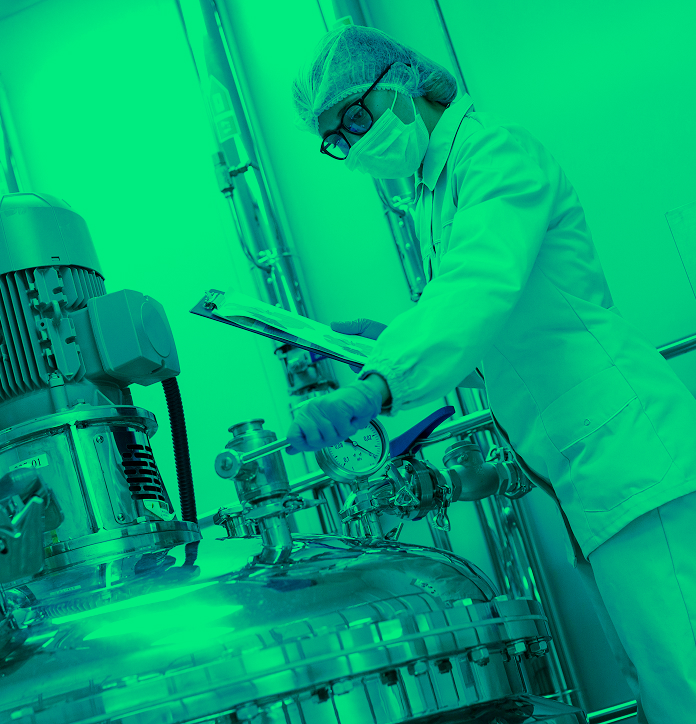
Optimize chemical reaction network conditions to maximize yield, reduce costs, and save time.
Optimize the scheduling of machine processes and employee shifts.
Secure sensitive data and applications from quantum attacks using quantum key distribution (QKD).
Generate synthetic data with generative models for quality control processes.
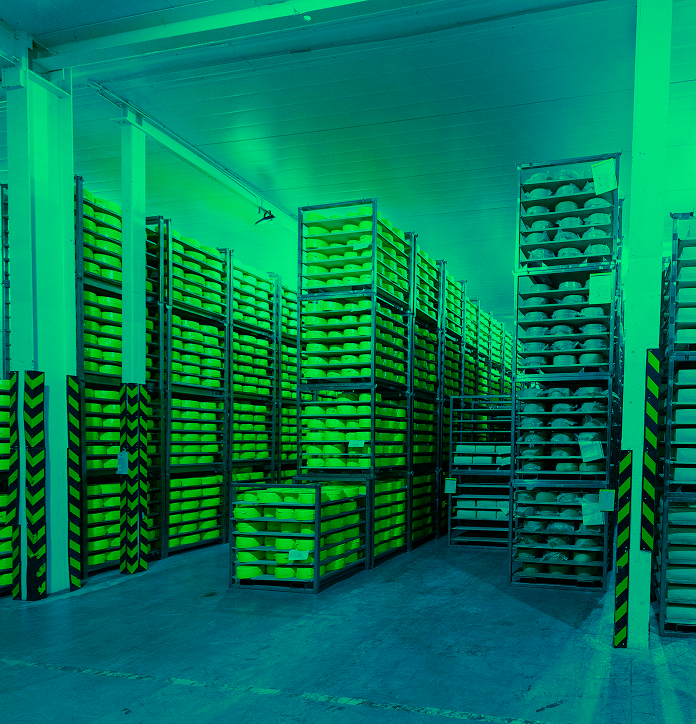
Optimize the selection of suppliers and vendors for product quality, costs, delivery times, and demand coverage.
Optimize distribution routes to reduce fuel costs and delivery times.
Optimize the stocking of reactors, catalysts, and other components for chemical manufacturing as well as the stocking of distribution warehouses.
Find the optimal satellite configuration to maximize coverage and signal quality while minimizing operational costs by leveraging quantum or quantum-inspired prescriptive analytics.