
At over 200mph, tires degrade quickly: a typical Indy 500 race includes around five tire changes per car. A key part of race strategy for teams like Andretti Autosport is knowing when to take a pit stop — a problem similar to predictive maintenance problems faced by automotive manufacturers.
Zapata worked with Andretti Autosport to upgrade their analytics infrastructure and build quantum machine learning models for race strategy. This included models for tire degradation analysis and fuel savings optimization that translate directly to automotive and OEM use cases.

Speed up data analysis, improve accuracy and reduce costs using quantum CFD simulations for aerodynamic design.
Improve heat transfer in designs for engines and other vehicle components using generator-enhanced optimization (GEO) with PDE constraints.
Identify failure modes through quantum-enhanced fault-tree analysis to improve safety in future vehicle designs.
Optimize design processes balancing various product functionalities with safety, reliability and costs.
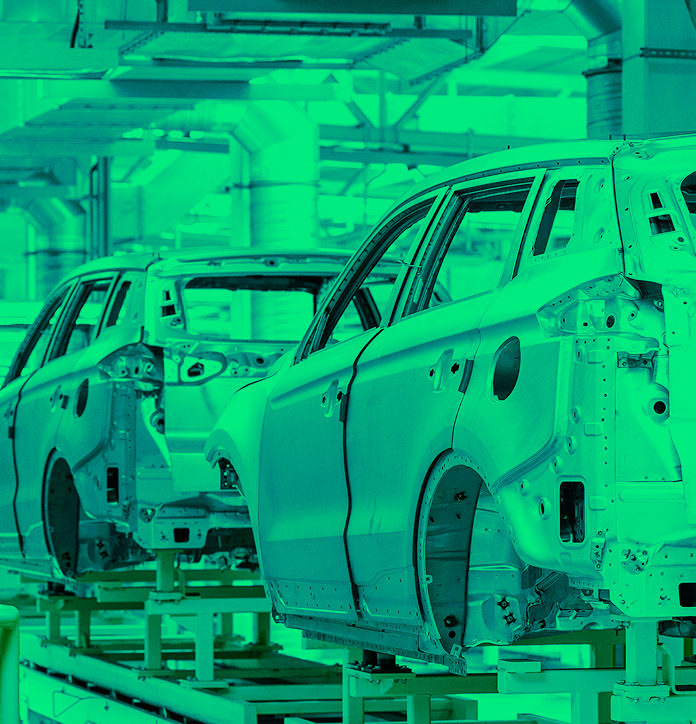
Increase efficiency by optimizing the design of factories, employee schedules, and machine processes.
Improve object recognition in autonomous vehicles.
Optimize the location of facilities and selection of suppliers, distributors, and vendors for product quality, costs, delivery times, and demand coverage.
Optimize the stocking of raw materials and manufacturing components to prevent overflows and reduce costs.
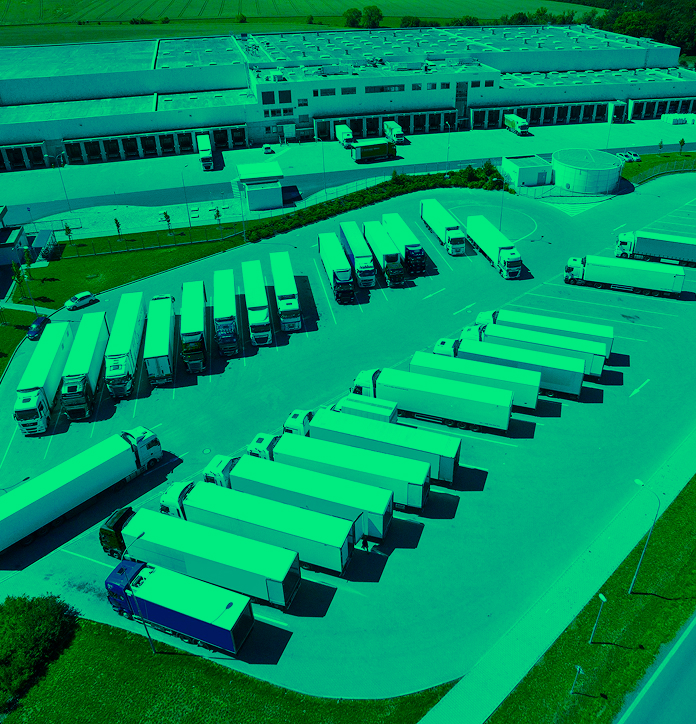
Optimize the speed and route of airplanes, buses, and other vehicles to minimize fuel consumption.
Predict maintenance needs for fleet vehicles.
Optimize the re-routing of planes and other logistics networks to react quickly to irregular operations.
Optimize the scheduling and routing of fleet vehicles to account for demand, crew scheduling, fuel planning, and other concerns.